In Praise of Cardboard
Category: Make-it-Yourself
TL/DR: I'‘ll be posting a cardboard-based Make-it-Yourself project soon; in the meantime, here’s a bit of background on cardboard as a material.
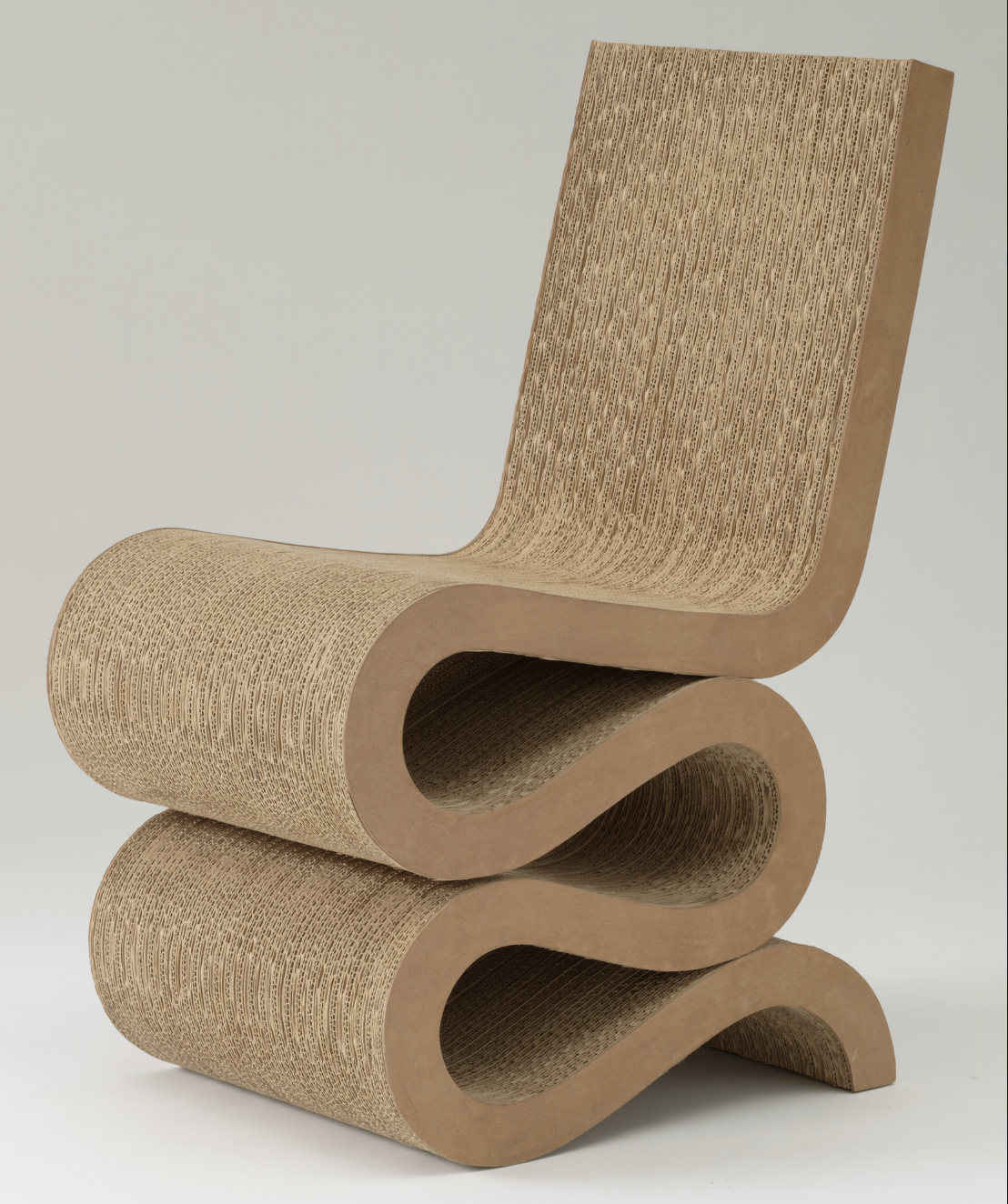
When I interviewed Michael Marriott a few months back, he surprised me slightly by suggesting Make-it-Yourselfers should grab some cardboard boxes. I’m not sure why it threw me, because I’ve always known about Frank Gehry’s Wiggle Chair.
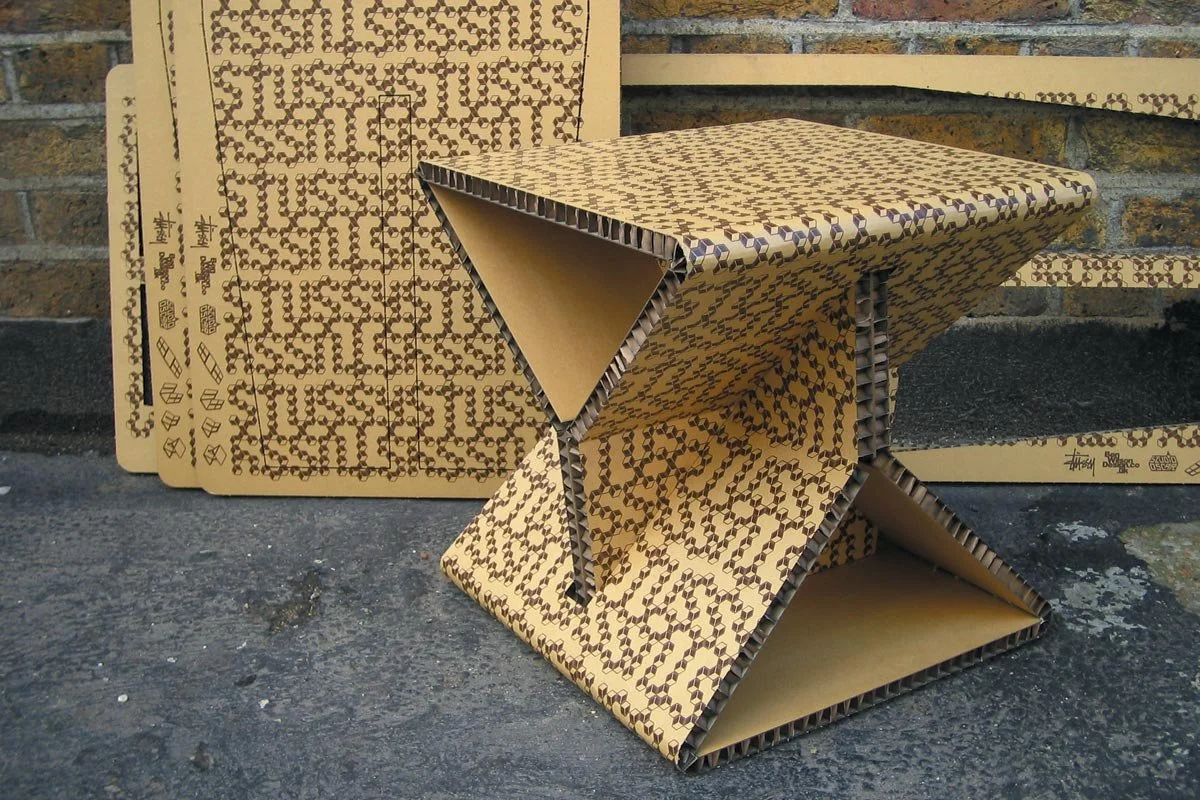
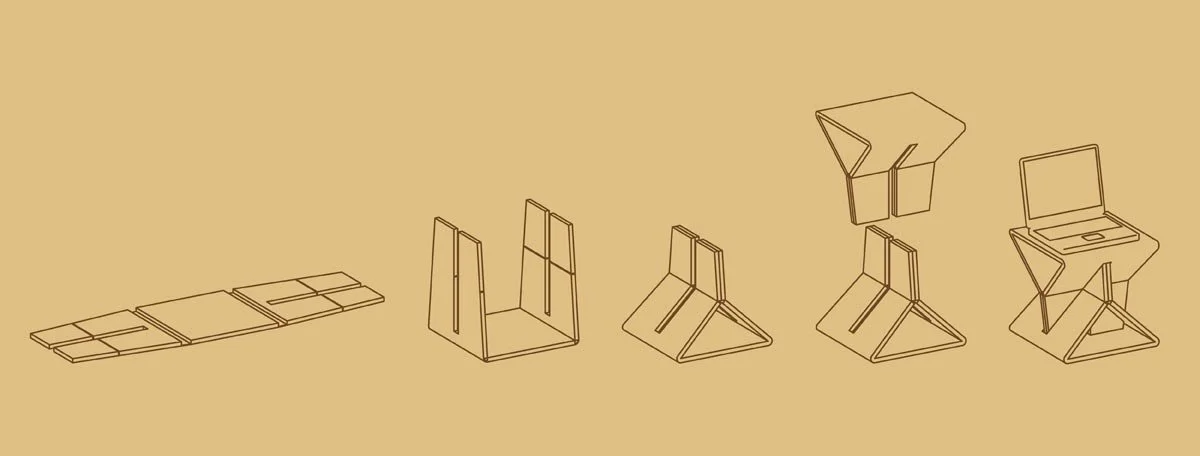
I’d also long coveted this beautifully simple stool The Wilson Brothers designed for Stussy.
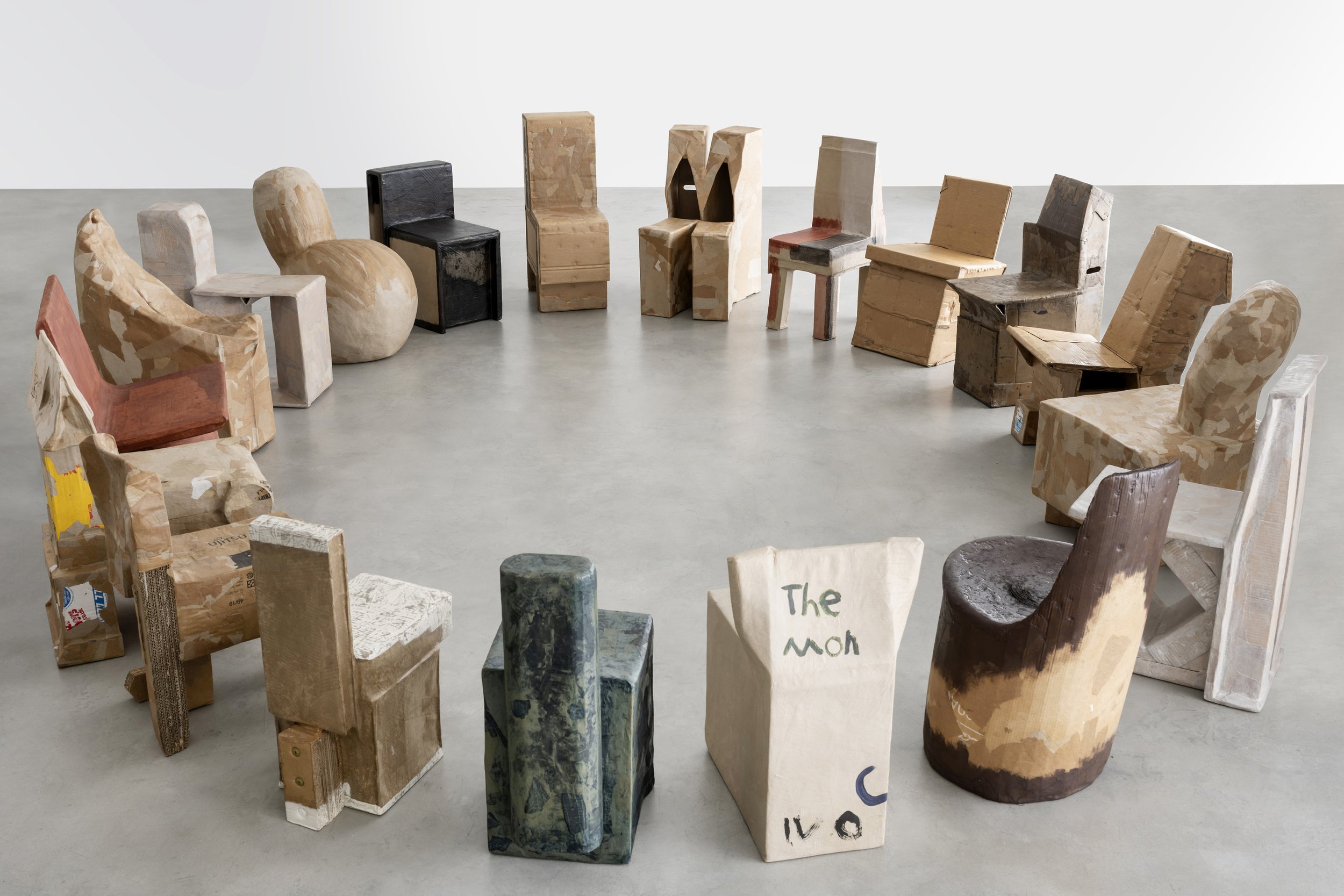
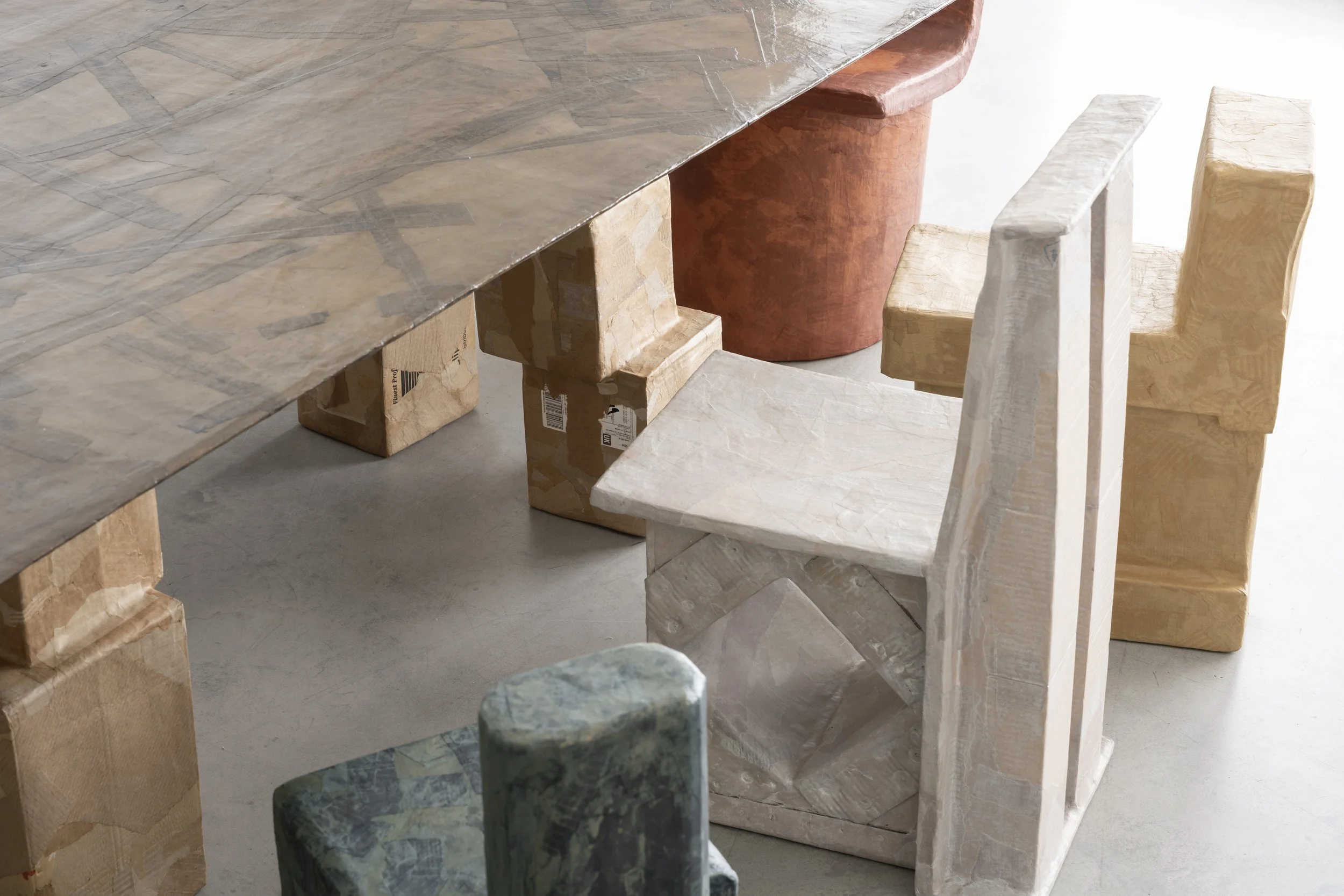
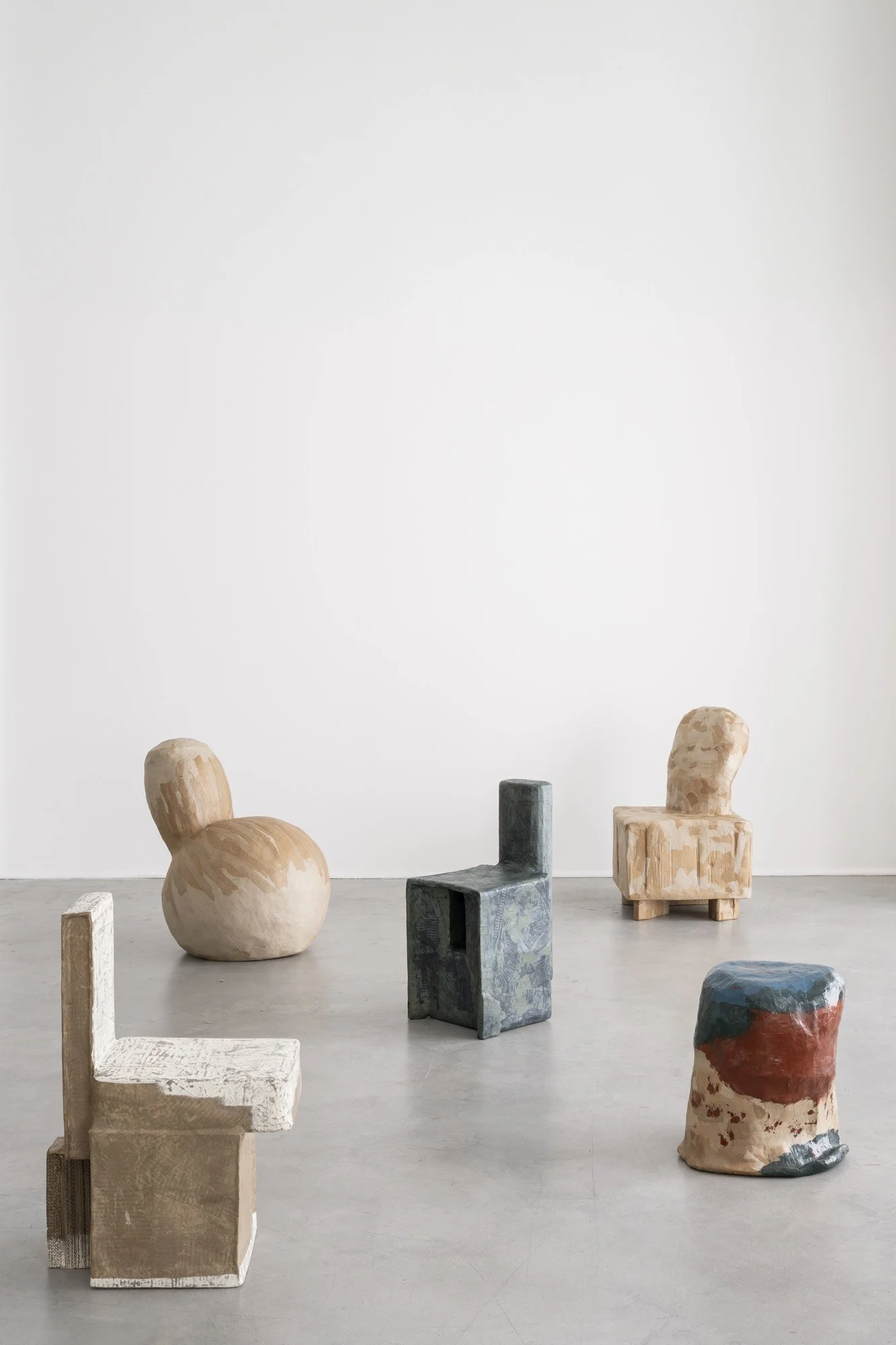
And I’m in awe of Max Lamb’s recent sculptural designs using recycled cardboard.
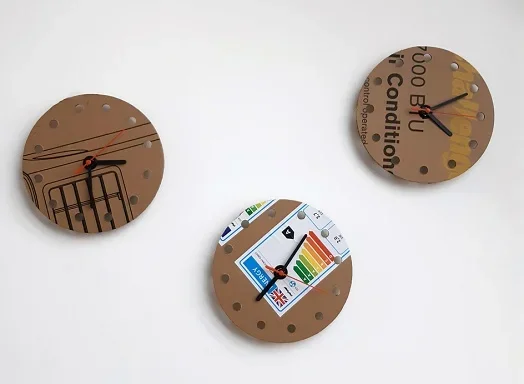
Michael himself has a long history of using cardboard. Here’s a super cute clock-face made from recycled boxes.
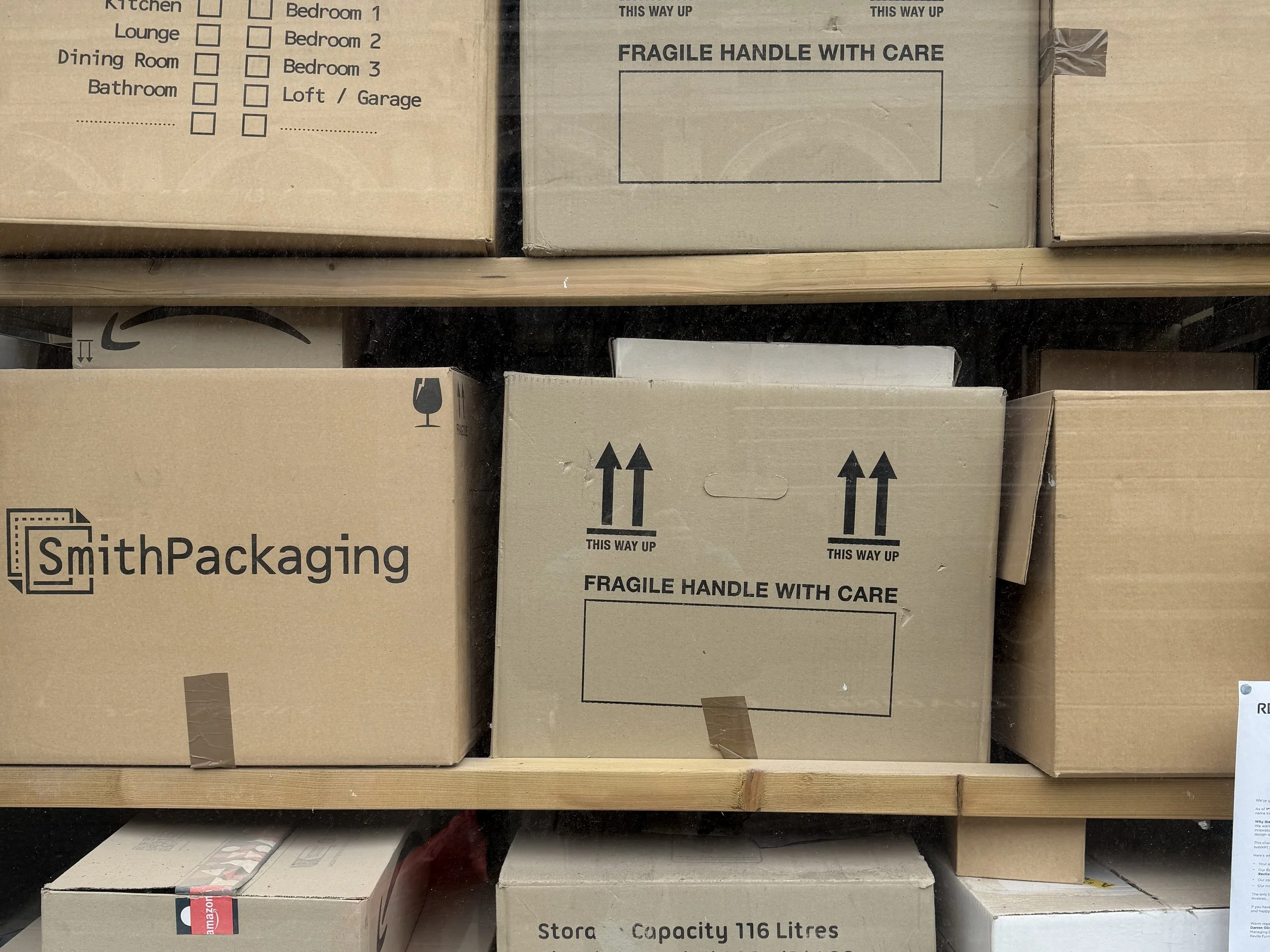
So why was I surprised? My only guess is that despite these many examples to the contrary, I associate the material with fragility and impermanence. And, possibly, because my impulse to make usually directs me towards wood.
Cardboard’s potential is not limited to furniture. As far back as the 1950s, Buckminster Fuller was proposing cardboard geodesic domes for the military. According to this New York Times article (Domes for the Army; Made of Cardboard, They Would Take the Place of Tents), his designs would have cost a fraction of existing three-stage accommodation and be mountable in a fraction of the time.
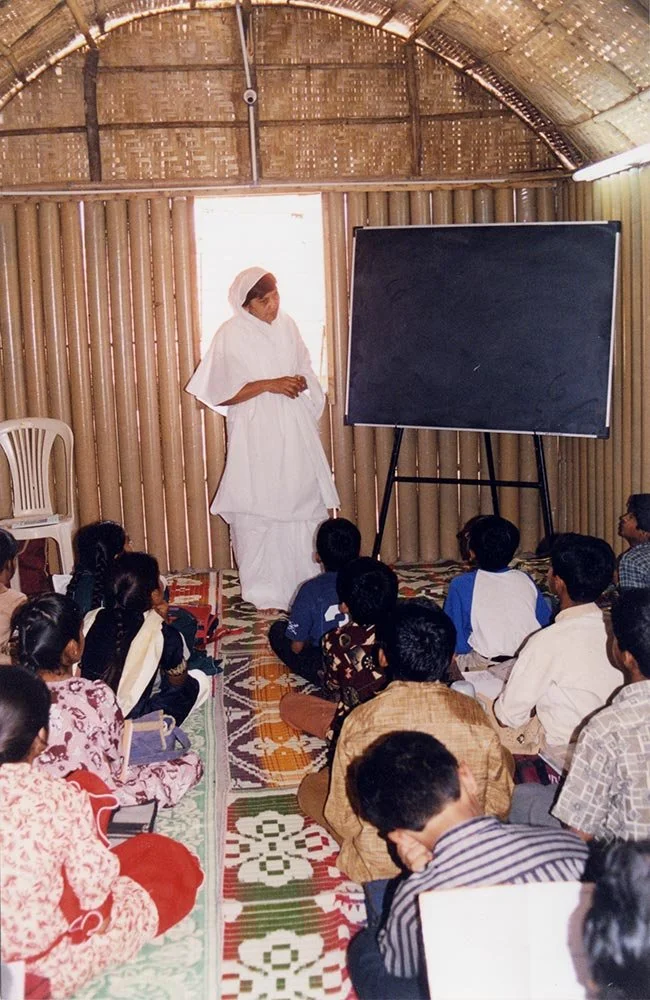
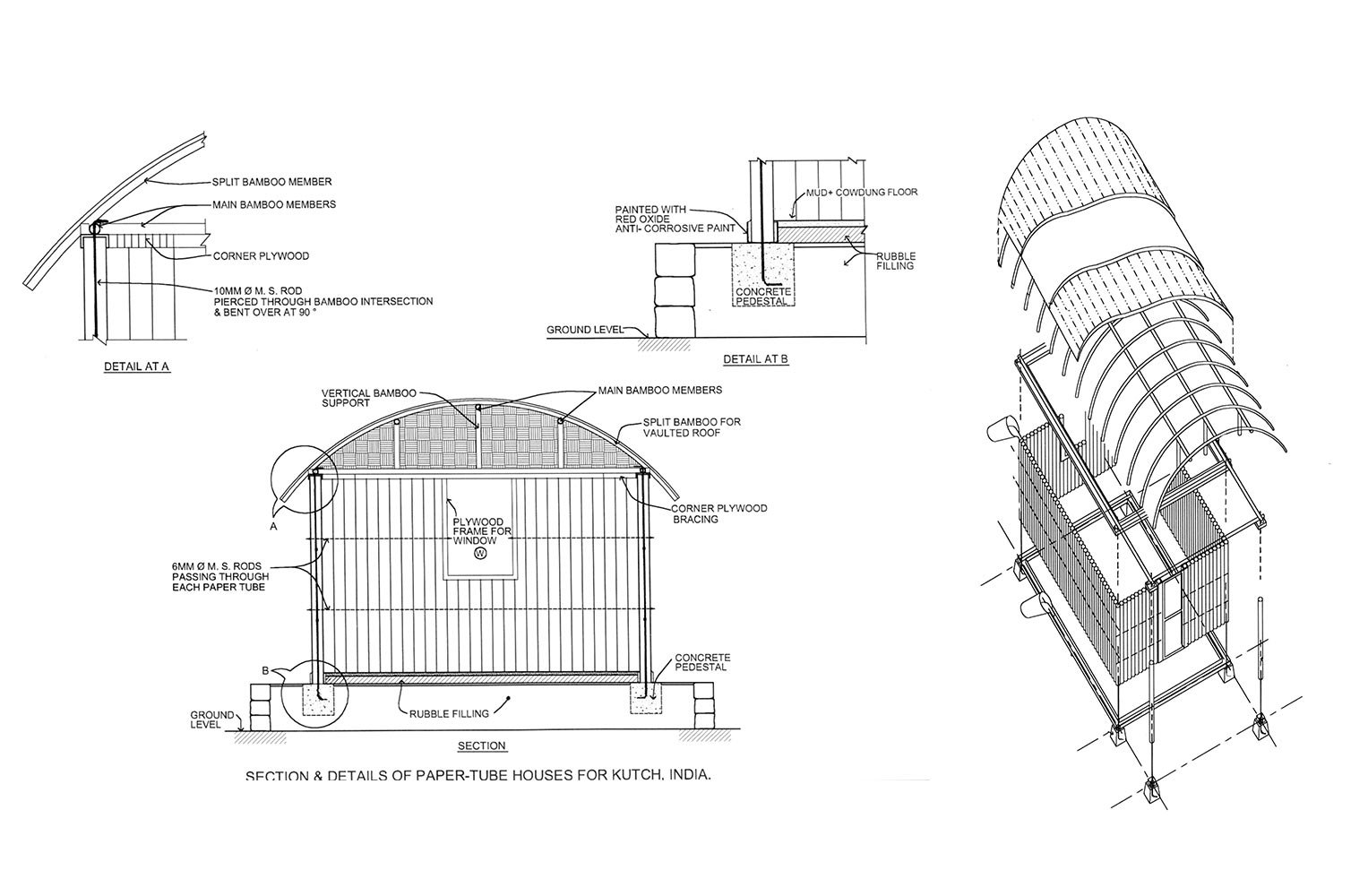
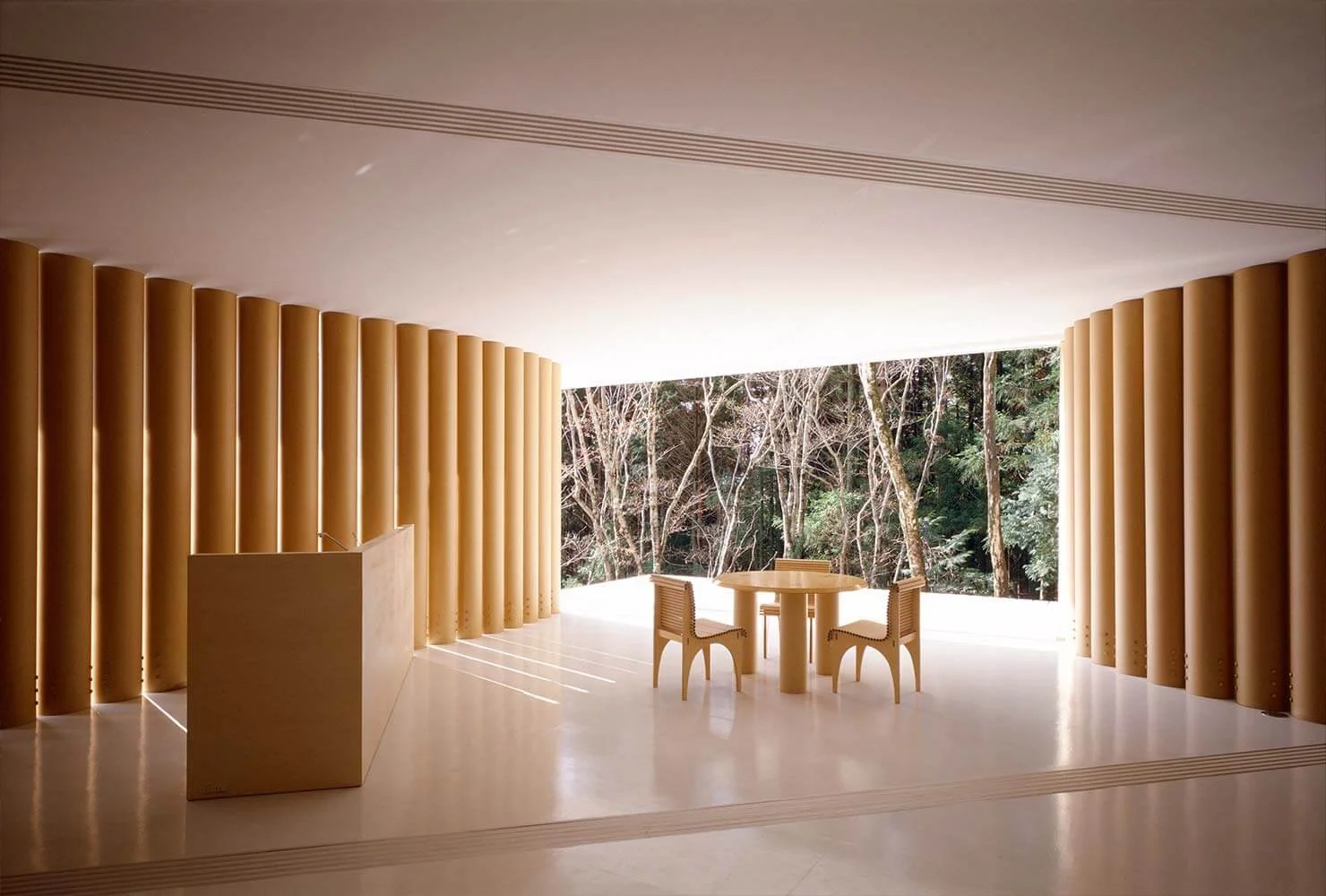
Of course, the Japanese have been using paper for centuries. Since the 1980s, Shigeru Ban has been exploring cardboard’s possibilities - mostly in the form of paper tubing - as temporary housing in disaster areas, like the Paper Log House, revised to shelter survivors of the Gujarat earthquake in 2001.
In 2013, he created a temporary cardboard cathedral in Christchurch, New Zealand, after the 2011 South Island earthquake.
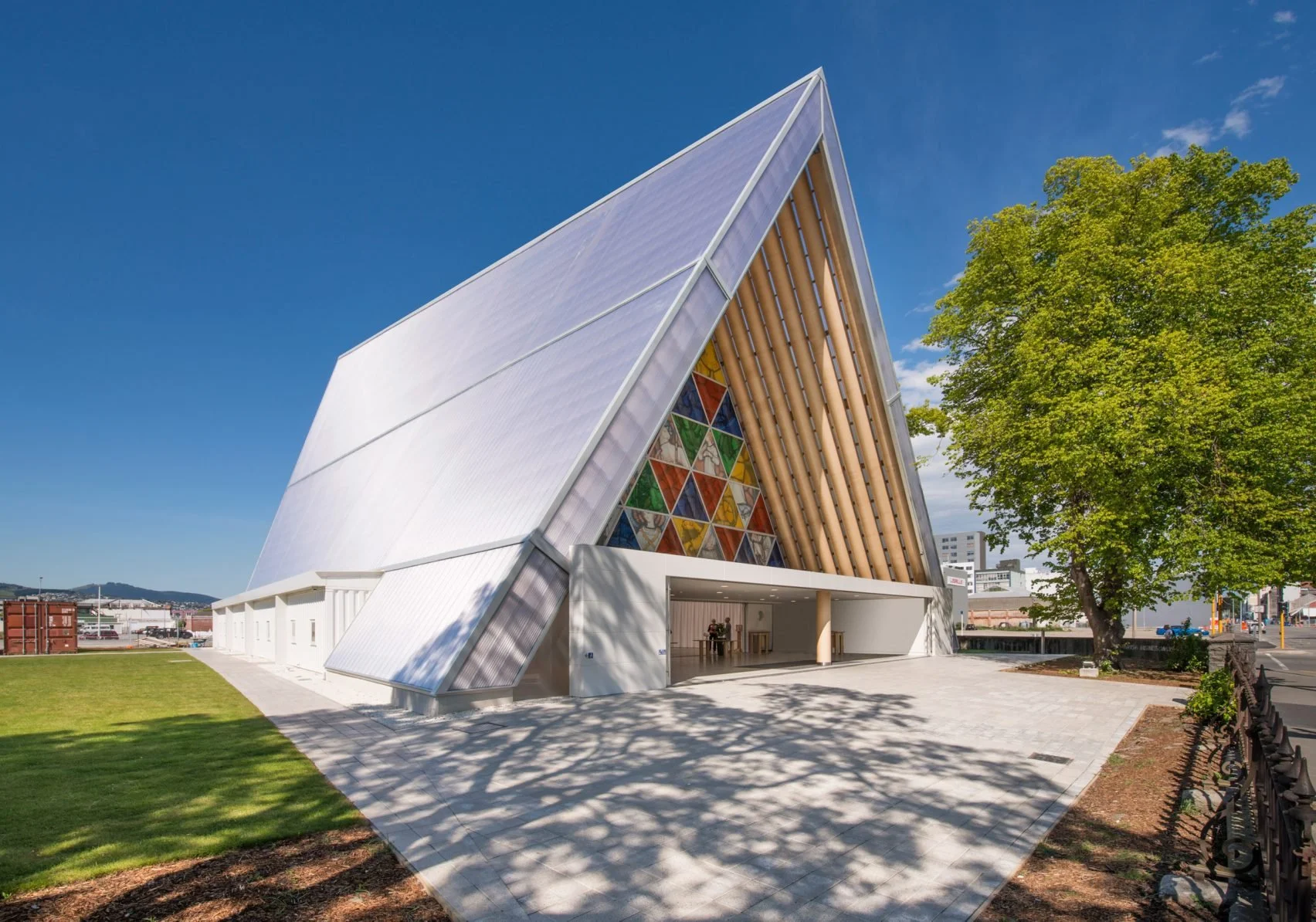
The Transitional Cathedral, Christchurch, New Zealand
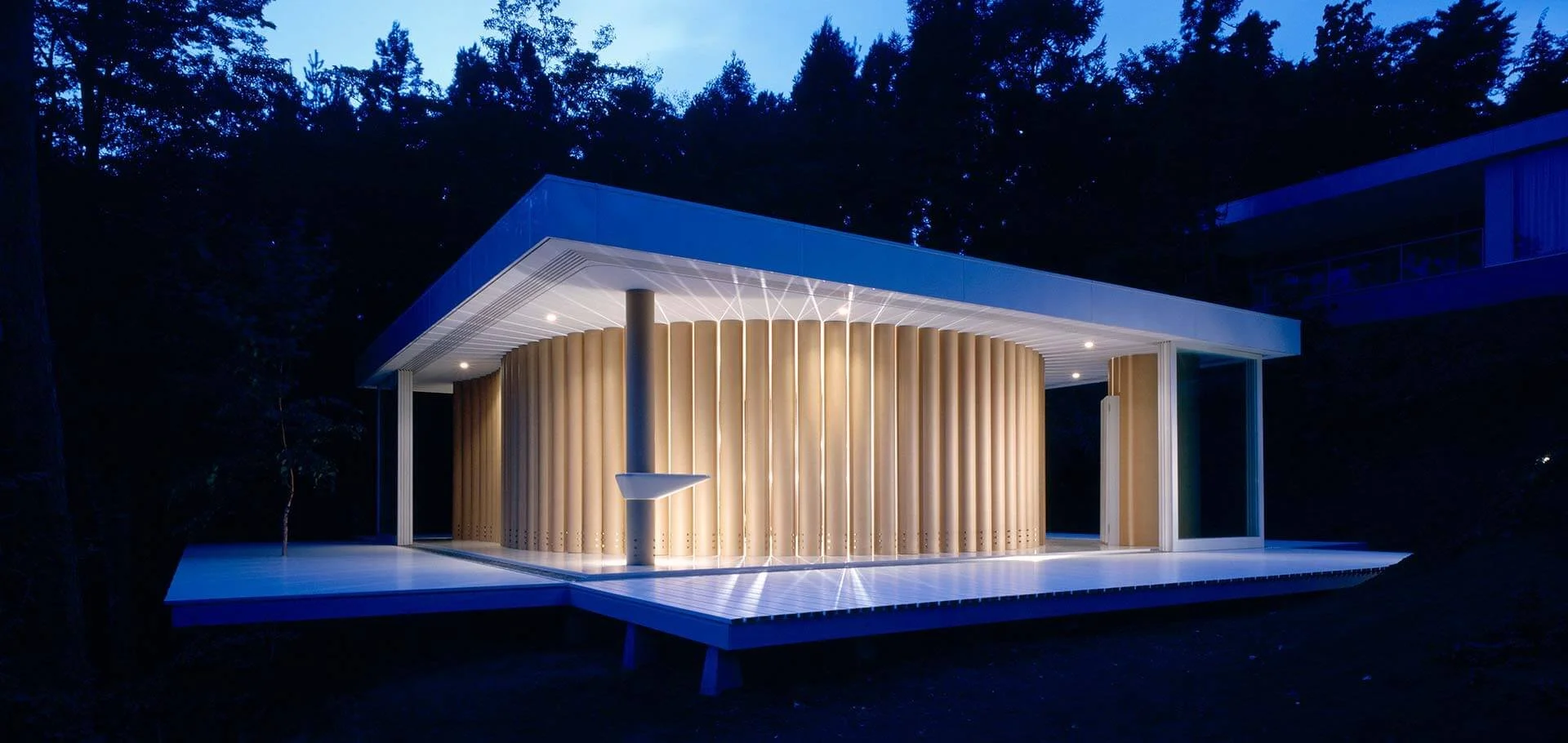
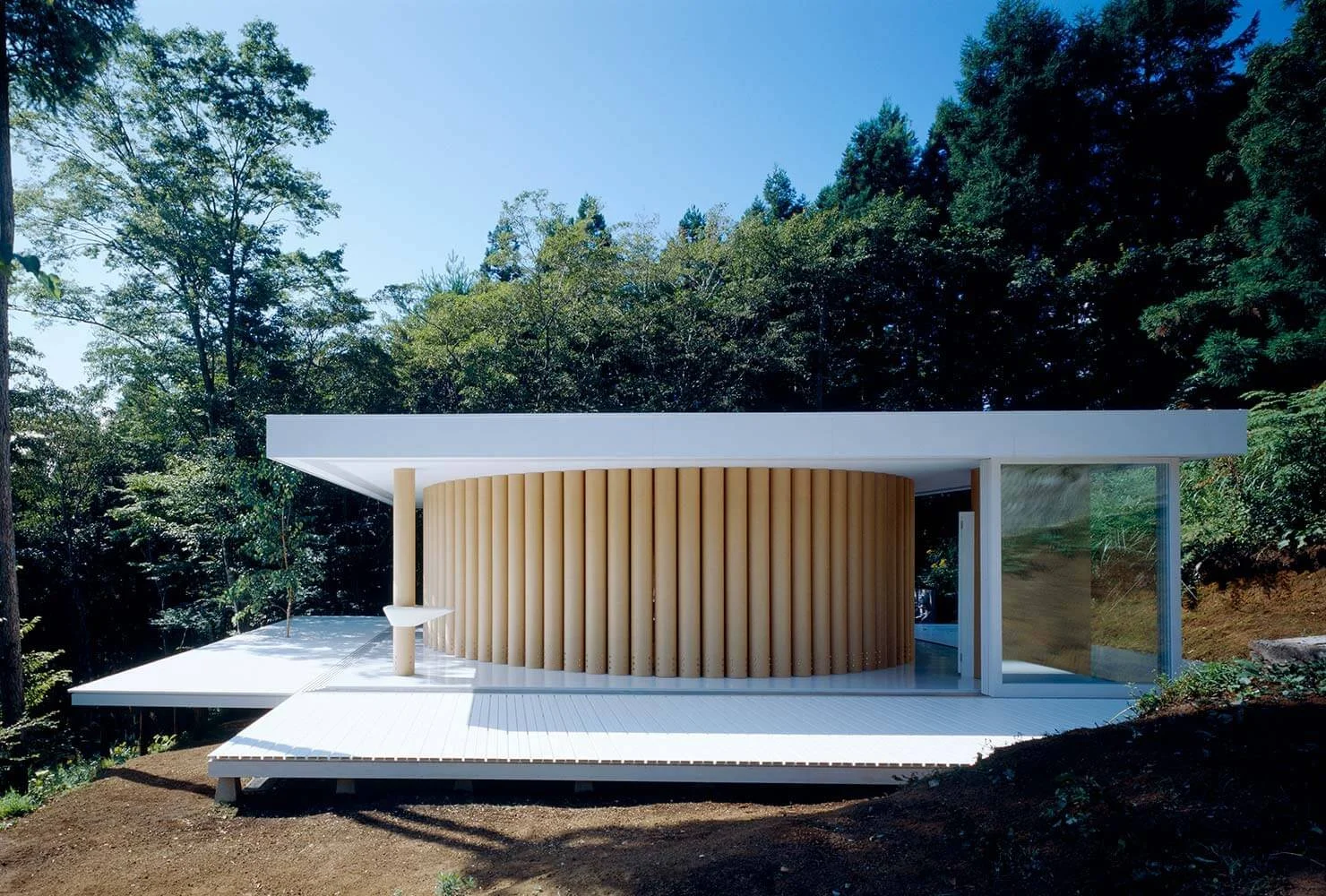
My favourite, though not a resource for disaster relief, is Shigeru Ban’s Paper House, apparently the first permanent structure made of paper tubes.
Interesting though it is, and proof of cardboard’s potential, housing is a digression. The reason I’m investigating the material is for it’s possibilities in furniture making. That too has been a topic of exploration for makers and artists for decades.
Before Gehry was working on his Easy Edges, Peter Raacke was making furniture for kids. According to this Der Spiegel report from 1968, he even appeared on NBC to demonstrate how to construct one of his chairs. Nothing on YouTube, unfortunately.
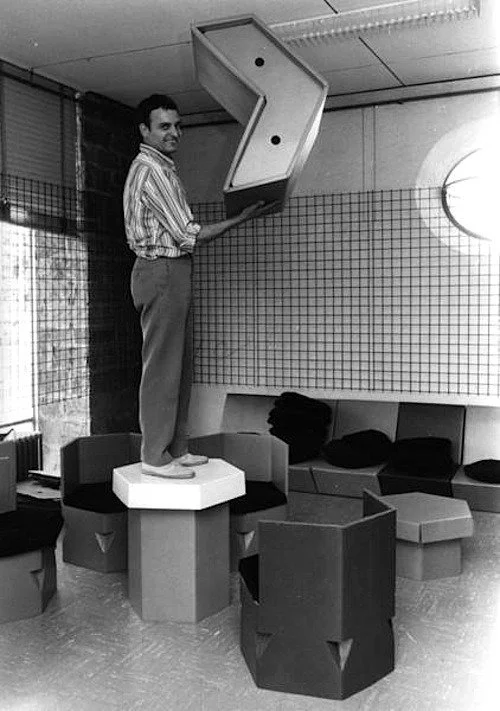
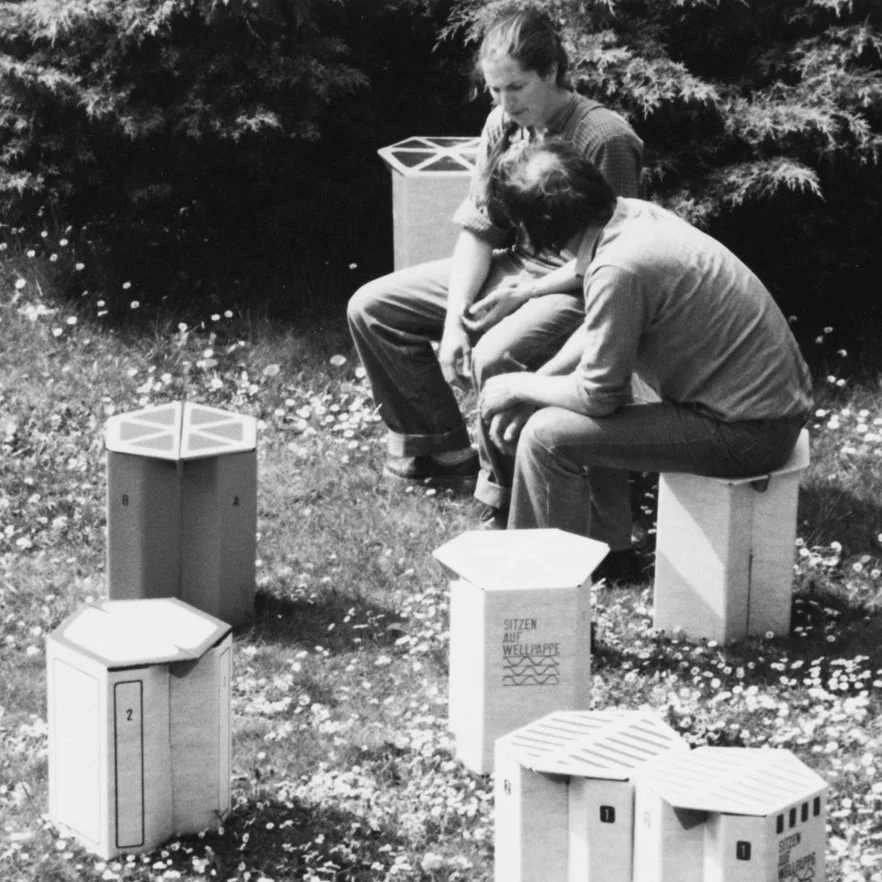
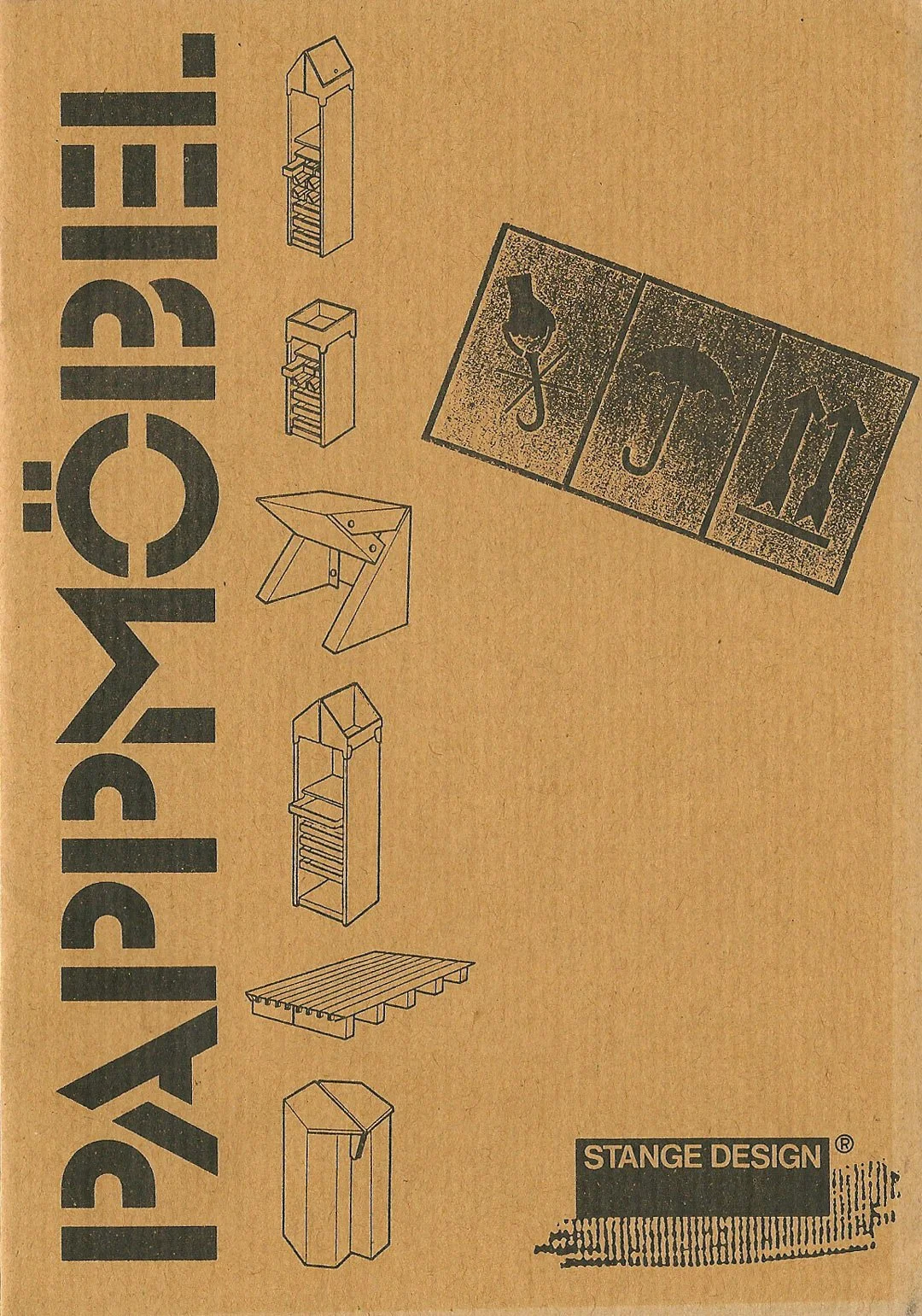
A little later, Hans-Peter Stange and Mechtild Kotzurek-Stange were exploring similar territory and launching Pappmöbel, a business to sell their cardboard creations. It’s still going strong.
More recently, Manfred Kielnhofer has created seating from paper tubes.
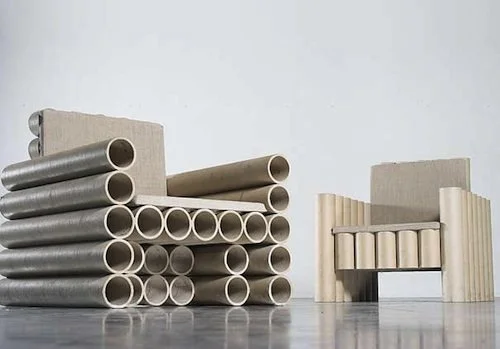
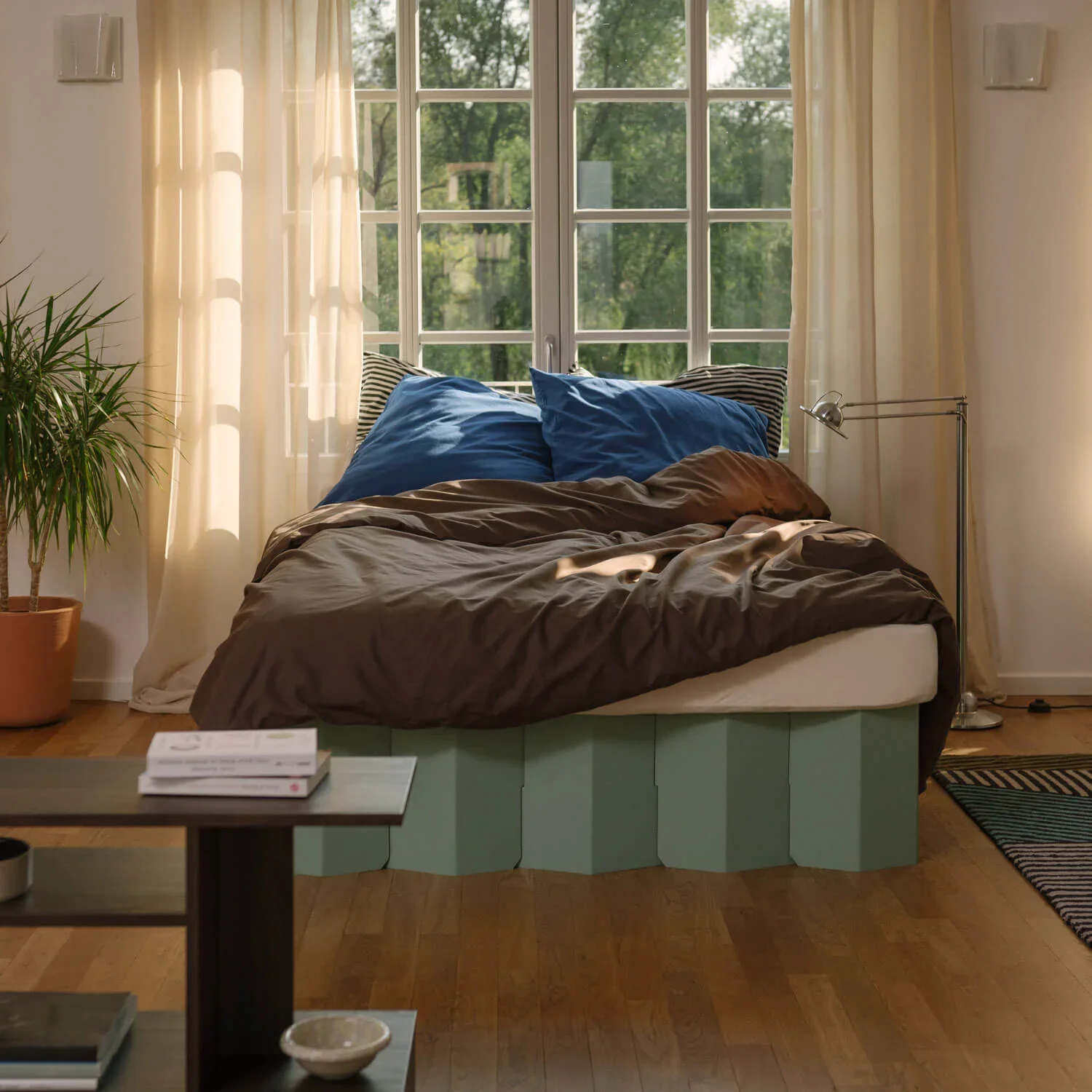
And in a similar vein to Pappmöbel, RIAB - Room In A Box - will sell you a bed and other bits for the home, all made from paper-based materials.
When it comes to making-it-yourself, what I find exciting about cardboard is that it is so flexible. You can make something that pushes the limits of what, say, a chair could be, like Max Lamb:
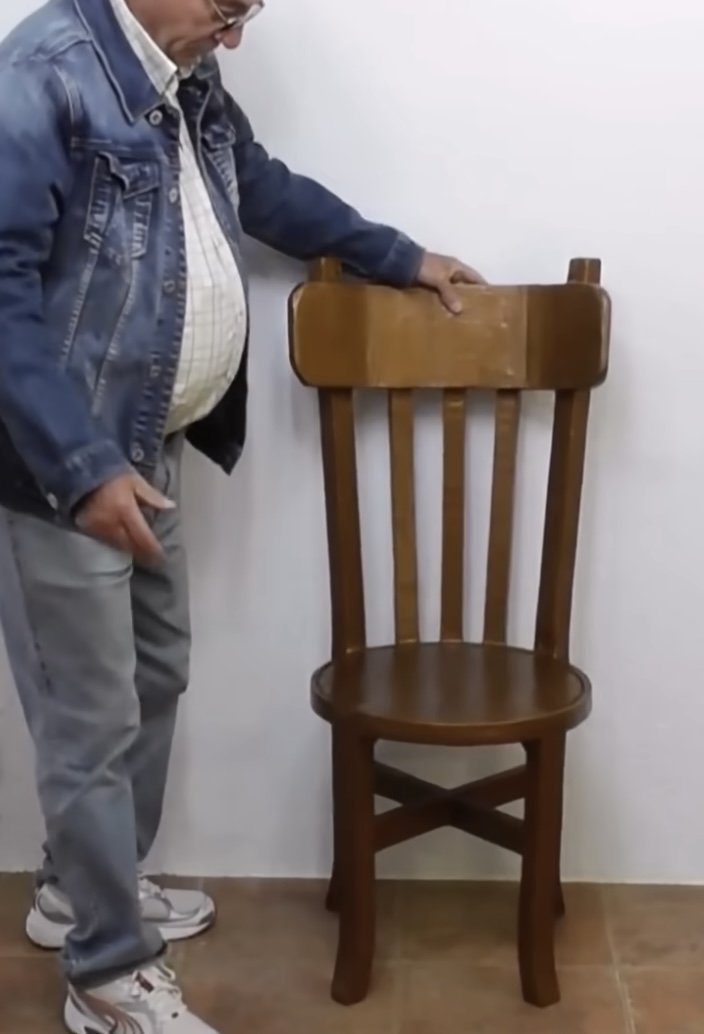
Or you can make something more conventional, like this:
There. Cardboard. Construction material of the future. I’m looking forward to sharing a Decmatic make-it-yourself cardboard based project soon.
In the meantime, a hat-tip to The Green Dispatch for this article that kickstarted my research.